
Call a PRG Guitar Adviser at 866-926-1923
to schedule a one-on-one video demo
MONDAY–FRIDAY, 8 AM – 8 PM ET / 5 AM – 5 PM PT
 Call a PRG Guitar Adviser at 866-926-1923
to schedule a one-on-one video demo
MONDAY–FRIDAY, 8 AM – 8 PM ET / 5 AM – 5 PM PT
Call a PRG Guitar Adviser at 866-926-1923
to schedule a one-on-one video demo
MONDAY–FRIDAY, 8 AM – 8 PM ET / 5 AM – 5 PM PT
A World-
Renowned
Selection
Incomparably crafted electric andacoustic guitars curated just for you
Electric Guitars
Solid Body Electric Guitars Extended Range Electric Guitars Left-Handed Electric Guitars Limited EditionAcoustic Guitars
12-String Acoustic Guitars 6-String Acoustic Guitars Left-Handed Acoustic Guitars Limited EditionSemi-Hollow & Hollow
Gibson Gretsch Gibson Custom Duesenberg USA RickenbackerBass Guitars
4-String Electric Basses 5-String Electric Basses Electric Upright Bassesguitars curated just for you
New Arrivals
{
//"items": 1,
"margin": 0,
"autoplay":false,
"loop":false,
"dots":true,
"lazyLoad":true,
"autoplayHoverPause":true,
//"navElement": "div",
"nav": true,
//"itemElement": "li",
//"stageElement": "ul"
//"jqueryLazyLoad": true,
//"jqueryLazyLoadOptions": { "effect": "fadeIn", "skip_invisible": false, "threshold": 300 },
//"autoplayHoverPause":true,
"responsive":{ "0":{ "items":2 },"768":{"items":3}, "1260":{ "items":4 }, "1500":{ "items":5 } }
}
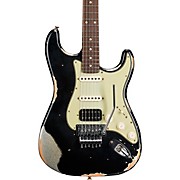
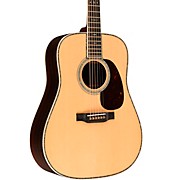
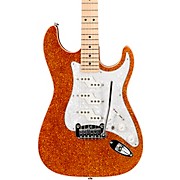
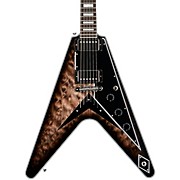
Shop All
Now:
Your Price $5,800.00
Starts Tomorrow
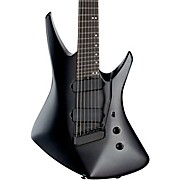
Now:
Your Price $10,699.00
Starts Tomorrow
Save:
$574.00
Regular:
Regular Price $2,873.00
Now:
Your Price $2,299.00
Savings:
Your Savings Price $574.00
Starts Tomorrow
Now:
Your Price $7,899.00
Starts Tomorrow
Our Gear Experts Recommend:
{
//"items": 1,
"margin": 0,
"autoplay":false,
"loop":false,
"dots":true,
"lazyLoad":true,
"autoplayHoverPause":true,
//"navElement": "div",
"nav": true,
//"itemElement": "li",
//"stageElement": "ul"
//"jqueryLazyLoad": true,
//"jqueryLazyLoadOptions": { "effect": "fadeIn", "skip_invisible": false, "threshold": 300 },
//"autoplayHoverPause":true,
"responsive":{ "0":{ "items":2 },"768":{"items":3}, "1260":{ "items":4 }, "1500":{ "items":5 } }
}
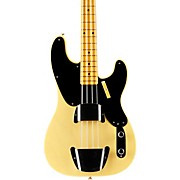
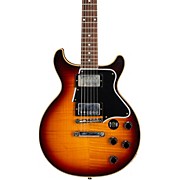
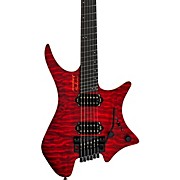
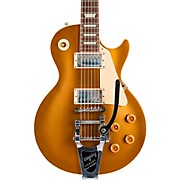
Now:
Your Price $4,950.00
Starts Tomorrow
Now:
Your Price $4,499.00
Starts Tomorrow
Now:
Your Price $2,395.00
Starts Tomorrow
Now:
Your Price $6,899.00
Starts Tomorrow
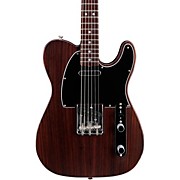
Shop by Brand
{
"margin": 0,
"autoplay": false,
"loop": true,
"dots": true,
"lazyLoad": true,
"autoplayHoverPause": true,
"nav": true,
"responsive": { "0":{ "items":5 }, "1200":{ "items":7 }, "1350":{ "items":8 }, "1500":{ "items":9 } }
}
![Dean USA]()
![LSL Guitars]()
![Kauer]()
![Harmony]()
![Dunable]()
![Heritage Guitar]()
![Duesenberg]()
![Fender Custom Shop]()
![Gibson Custom]()
![Gibson]()
![Martin]()
![Taylor]()
![Paul Reed Smith]()
![Gretsch]()
![Ernie Ball Music Man]()
![ESP]()
![Rickenbacker]()
![Caparison]()
![Breedlove]()
![Jackson]()
![EVH]()
![Charvel]()
![Ibanez]()






















{
"margin": 0,
"autoplay": true,
"loop": true,
"dots": false,
"lazyLoad": true,
"autoplayHoverPause": true,
"nav": true,
"responsive":{ "0":{ "items":2 }, "414":{ "items":3 }, "540":{ "items":4 }, "768":{ "items":5 }, "976":{ "items":6 }, "1200":{ "items":7 }, "1350":{ "items":8 }, "1500":{ "items":9 } }
}
![Relish]()
![Newman]()
![Malinoski]()
![LSL Guitars]()
![Kauer]()
![Harmony]()
![Dunable]()
![Heritage Guitar]()
![Duesenberg]()
![Fender Custom Shop]()
![Gibson Custom]()
![Gibson]()
![Martin]()
![Taylor]()
![Paul Reed Smith]()
![Gretsch]()
![Ernie Ball Music Man]()
![ESP]()
![Rickenbacker]()
![Caparison]()
![Breedlove]()
![Jackson]()
![EVH]()
![Charvel]()
![Ibanez]()